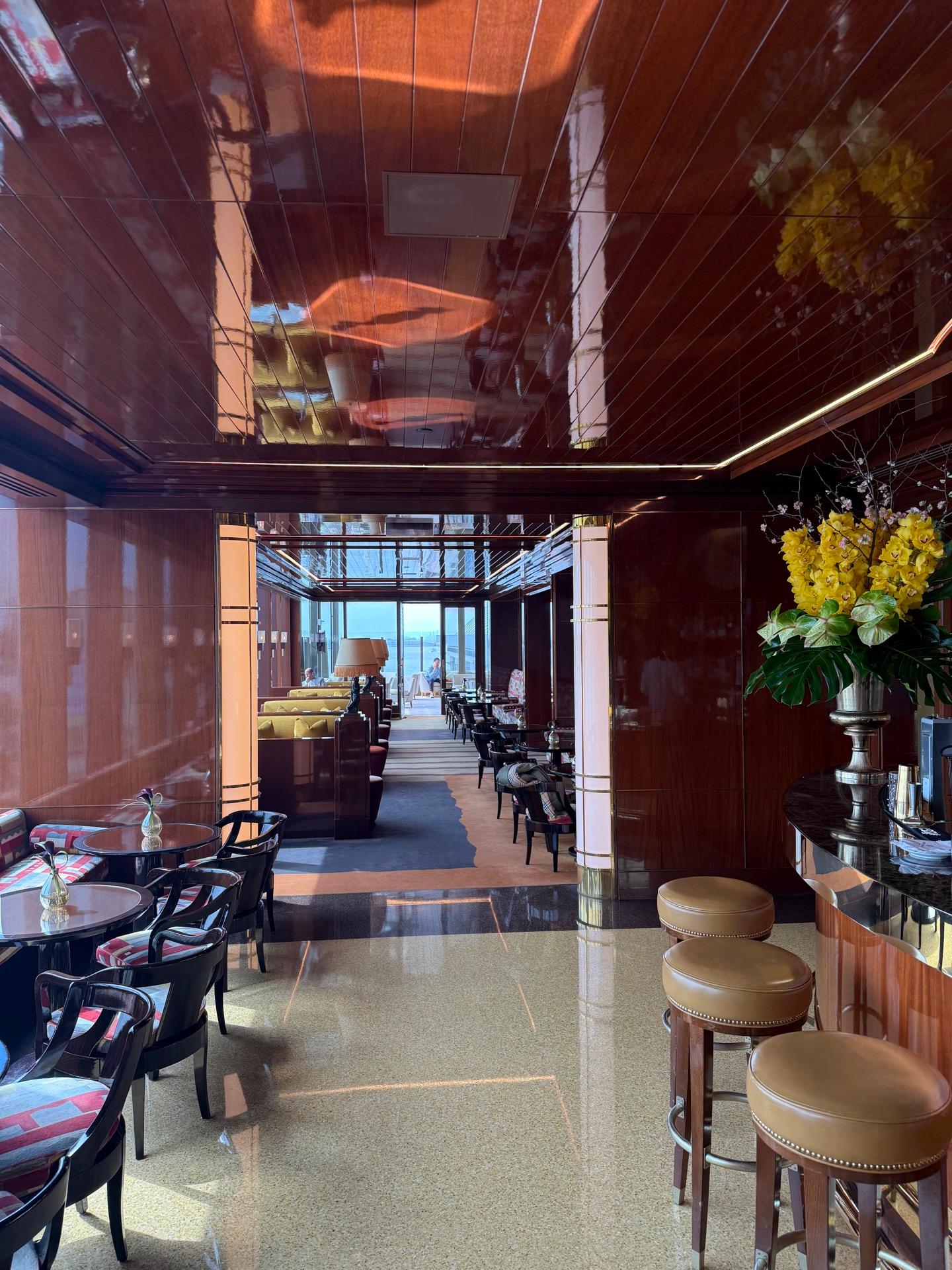
Commercial · Restaurants and Bars
Restaurants That Sound and Look Right All Night.
Lunch, dinner, and the late seating each need their own light and their own music, and the room has to stay comfortable to talk in. In New York, the neighbors upstairs have a decibel limit on your side.
Restaurants and Bars
The Room Is Part of the Meal.
Noise is the complaint diners raise most: in Zagat's 2018 national survey it ranked first, ahead of service, and in New York it has outranked service before. Hard surfaces, high ceilings, and open kitchens make a dining room loud before the music starts, and music turned up to cover the noise makes it worse.
The city adds a second limit. Music from a restaurant or bar may not exceed 42 dB(A) measured inside a neighbor's apartment. We design audio that fills the room evenly at a lower level, keep it zoned so the bar and the dining room can differ, and tie it to lighting scenes the staff can run with one button.
01 · Sound
Even, Not Loud
More speakers at a lower level cover a room evenly, with no hot spots near the tables. Zones let the bar run louder than the dining room, and a limiter keeps the late shift inside the levels the space was tuned for.
02 · Light
Scenes From Lunch to Last Call
Lutron scenes change the room with the service: bright for lunch, warm for dinner, low for the late seating. Schedules and astronomic time make the change without anyone reaching for a dimmer.
03 · Back of House
A Network the POS Can Trust
Separate networks for guests, point-of-sale, and cameras, so a busy Friday on the guest Wi-Fi never slows the payment terminals, all monitored remotely.
At a Glance
New York restaurant rules in brief.
- Noise code
- Under New York City Administrative Code §24-231, music from a commercial establishment may not exceed 42 dB(A) measured inside any dwelling unit that receives it.
- What diners say
- In Zagat's 2018 national dining survey, noise was the most bothersome restaurant irritant at 24 percent, ahead of service at 23 percent; in New York, noise complaints have outweighed complaints about service.
- Music licensing
- The federal small-business exemption for playing radio and over-the-air TV covers restaurants and bars under 3,750 gross square feet, or larger ones within equipment limits such as six loudspeakers with no more than four in one room; it does not cover streaming or recorded playlists.
- Our reference
- Cave Group's hospitality work in New York includes the lighting, control, and audio at Casa Cipriani in Lower Manhattan.
Sources: NYC Administrative Code §24-231, commercial music; NYC Department of Environmental Protection, noise code fact sheet; White Hutchinson, Zagat dining survey irritants (2018); amNY, New Yorkers hate noise but love going out to restaurants; Congressional Research Service, copyright law's small-business exception; NAMM, retailers, recorded music and the federal Copyright Act; Cave Group, Casa Cipriani New York.
Reading on Restaurants and Bars
Guides and related work.
- Why a dining room gets too loud →
What the surfaces, the ceiling, and the music each contribute.
- Lighting scenes for a New York restaurant →
- One platform across a restaurant group →
- Zoning background audio in food and beverage venues →
- Casa Cipriani, Lower Manhattan →
Questions About Restaurants and Bars
Restaurants and Bars, Answered
Who installs restaurant sound and lighting in New York?+–
Cave Group does. We are a Crestron Elite Gold Partner and Lutron Gold Dealer with a New York office in Long Island City, and we design, install, and support audio, lighting control, video, and networks for restaurants and bars across the city and the metro; our hospitality work includes Casa Cipriani in Lower Manhattan.
How do we keep the music inside the noise code?+–
Design the room to sound full at a lower level: more speakers, evenly spaced, with the low end controlled where it travels through the structure. We tune the system with the space occupied, set limits per zone, and give staff simple controls that cannot push past them.
Can the bar and the dining room have different music?+–
Yes. Zoned audio lets each area have its own source and level, and a scene can change all of them together at the start of dinner or late night, from a keypad or a phone.
Do we need a music license?+–
Usually. The federal small-business exemption covers only radio and over-the-air TV, in smaller spaces or with limited speakers and screens. Streaming services and playlists generally need a commercial license; we design the system around whatever service you license.
Who supports the system after it is installed?+–
We do, remotely first. Cave Watch monitors the network, the AV, and the lighting control, fixes most faults without a visit, and schedules a technician from our Long Island City office when one is needed. The support agreement names response times, what your staff handle, and what we handle.
More From Commercial
More on commercial technology.

Start Here
Walk the Space With Us.
Bring the floor plan if it is a fit-out, or the list of what no longer works if you are in it. We will tell you what we would do, in what order, what it would take, and how we keep the business running while we do it.
Start a Projector call · +1 (888) 712-2283 · [email protected]